The Art of Self-Observation

What Is
Vipassana?

One of the oldest and most universal techniques of meditation.

The Practice

Insight into
your own nature

Vipassana — meaning "to see things as they truly are" — is a non-sectarian, universal technique of self-purification through self-observation.

It works at the deepest level of the mind, dissolving negativity at its root and replacing it with genuine wisdom, compassion, and equanimity.

Not a philosophy. Not a religion. A practice.

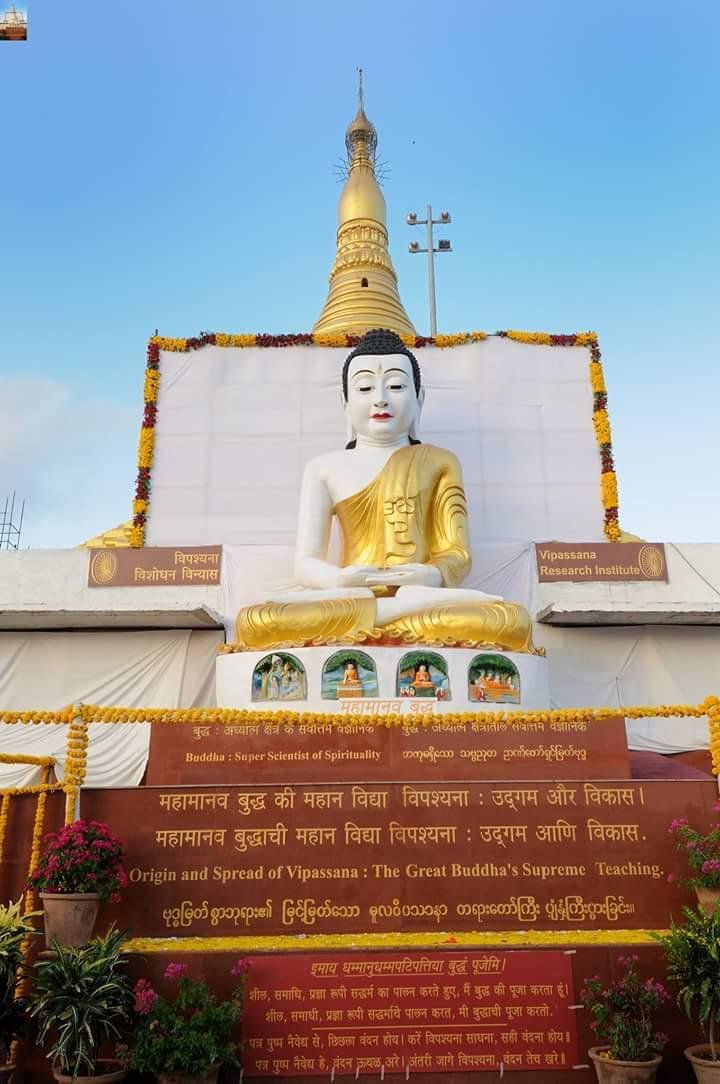
Illuminated Buddha

The entire path is a universal remedy for universal problems, and has nothing to do with any organised religion or sectarianism.

— S.N. Goenka
An Unbroken Lineage

The History

~500 BCE

Rediscovered by the Buddha

After years of searching, Siddhattha Gotama rediscovered this ancient technique and attained full liberation. He then dedicated his life to sharing it freely with the world.

3rd Century BCE

Spread across Asia

Emperor Ashoka, transformed by the practice, sent teachers throughout India, Sri Lanka, Myanmar, and beyond. The technique flourished for centuries.

~1000 CE

Lost in India

As Buddhism declined in India, the pure technique was gradually lost — preserved only in Burma, passed teacher to student in an unbroken chain.

1969

Returned to India

S.N. Goenka, a student of Sayagyi U Ba Khin, brought the technique back to its land of origin. The first course was held in India — and a global movement began.

Today

A worldwide gift

Courses are offered freely on every continent. Over a million people have completed a 10-day course. The teaching remains unchanged — and always free.
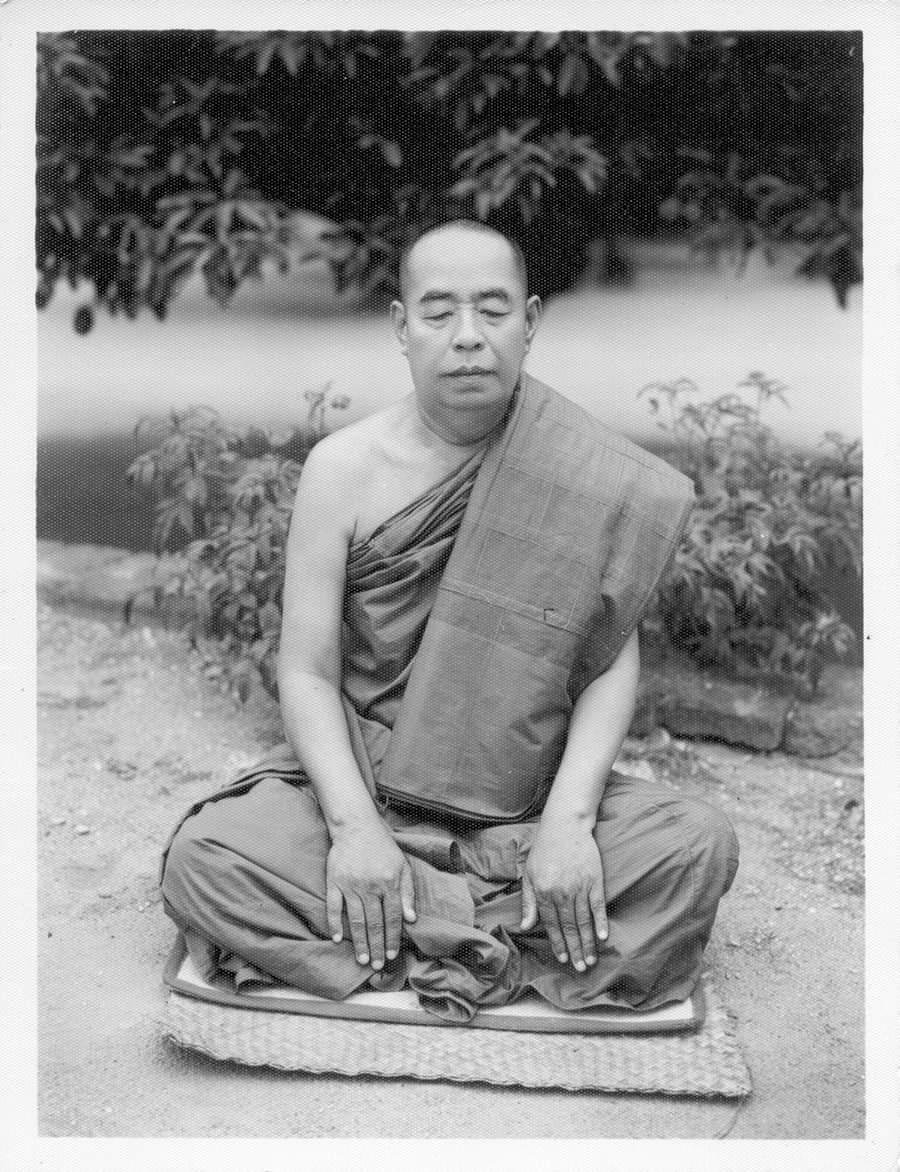
Monk in prayer

"Vipassana is not a religion. It is a science of mind and matter — observable, rational, and practical."

Clarity of Understanding

The Practice Defined

What Vipassana Is
  • · A technique of self-observation — watching the breath and bodily sensations
  • · Universal — no initiation, ritual, or belief required
  • · A training of the deepest levels of the mind
  • · An art of living — applicable to daily life
What Vipassana Is Not
  • · Not a religion or cult
  • · Not a relaxation or stress-management technique
  • · Not a philosophy or intellectual pursuit
  • · Not an escape from life's challenges
The Structure of Practice

Three Foundations

Sīla
Morality

The foundation of the practice. Abstaining from speech, action, and livelihood that harm others — creating the conditions for inner stillness.

Samādhi
Concentration

Training the mind to focus with precision. Through awareness of the breath, the scattered mind becomes sharp, collected, and ready.

Paññā
Wisdom

The direct experience of impermanence — Anicca. Not belief, not philosophy. The living insight that transforms the nature of the mind.

Open to All

Who Can
Practise?

Anyone who is physically and mentally able to undertake the rigour of a 10-day course. No prior meditation experience is needed.

Students of every background — students, executives, artists, elders — have sat in silence together and emerged transformed.

Learn About the Course
Sincerely willing to work diligently for the entire 10 days
Willing to observe the Code of Discipline throughout the course
Willing to follow the technique exactly as taught
Physically and mentally fit to sit for extended periods